Roanoke Urban Effect
| Client: | City of Roanoke |
| Location: | Roanoke, Virginia |
| Size: | Masterplanning |
| Completion: | Competition 2008 |
The Goal:
Create a thriving economy.
Build sustainable communities.
Promote environmental responsibility.
Over 10% of Roanoke's population lives within walkable and bikeable distances to the Jefferson Corridor.
Their 8631 cars travel 10,254,234 miles annually burning 5,042,124 gallons of fossil fuels contributing 48,909 tons of carbon to our atmosphere taking $146,725.81 dollars out of the local economy.
We will create a Sustainable Urban Core with accessible neighborhood linkages which will encourage the development of underutilized resources that currently exist.
The Strategy:
Walking + Riding + Biking = Less Driving.
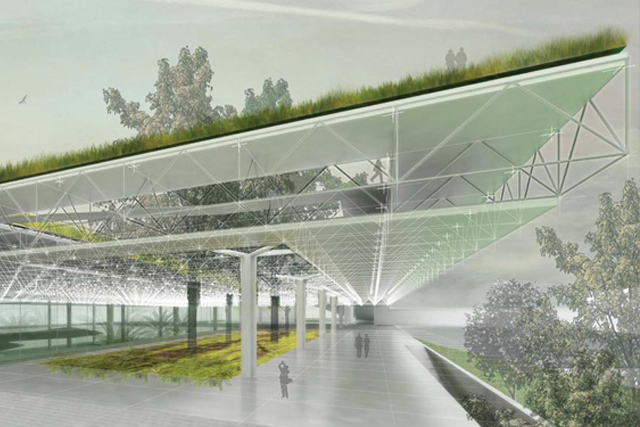
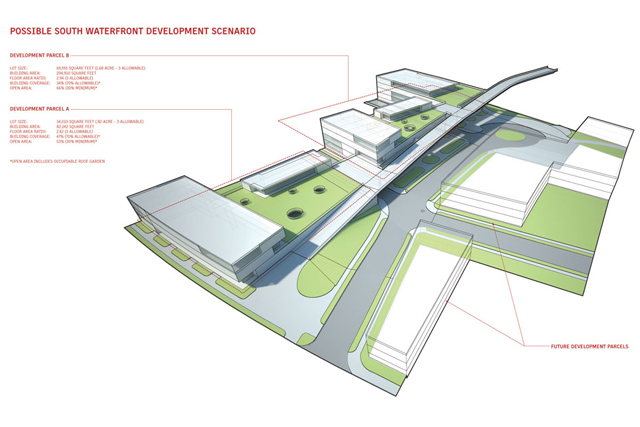
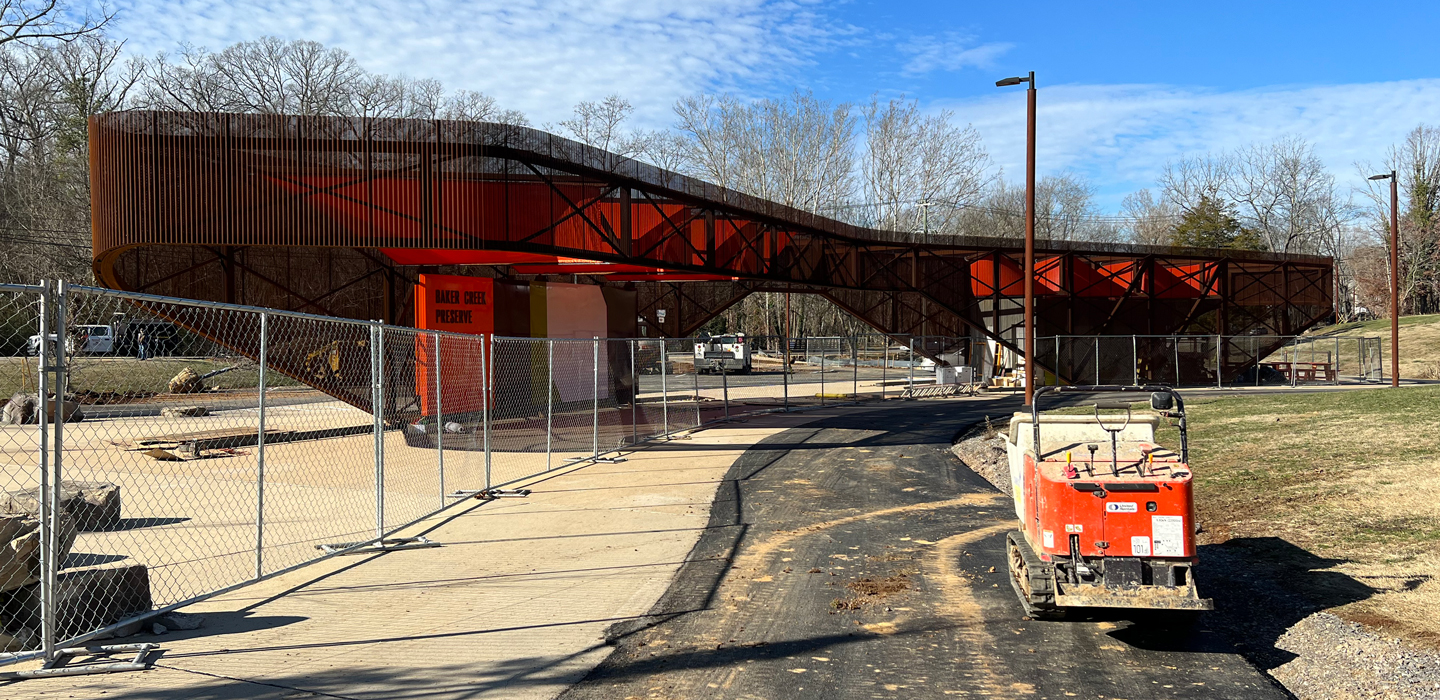
Progressive streetscape infrastructure including multi-function terminals will enhance existing public transportation connections and provide a framework for additional corridors within the city.
A public/private partnership will be created that installs user friendly multi function transportation terminals that activate the Jefferson Corridor creating a thriving mixed use area used by all of Roanoke's urban neighborhoods.
Each of these terminals will include shared Zipcars, access to shared Smartbikes and integrated interactive wayfinding. Per the national average there are 1.8 cars per household giving our target area 8631 cars. Studies find that as a supplement to longer distance travel 1 Zipcar can take 20 privately-owned vehicles off the road. Smartbikes provide an alternative to public transportion for medium distance commutes.
The Future:
More Cities.
80.8% of Americans live in urbanized areas. There are 162 of these urban areas similar in size and demographics to Roanoke. 24 million Americans call these places home. This strategy works for Roanoke, and it can work elsewhere. What impact would this have to the American economy? The global environment?